

Articles / Los Angeles Specific Guides
From Garage to Guest House — ZPR’s Smart ADU Conversions
Converting an underused garage into a code-compliant ADU (Accessory Dwelling Unit) is one of the fastest, most value-driven ways to add living space in Los Angeles. This comprehensive guide details ZPR’s end-to-end approach—feasibility, structure, moisture and insulation, MEP, permits, costs, ROI, timelines, and high-impact design strategies—so your new guest house lives and appraises like a purpose-built home.

Why Convert a Garage into an ADU Guest House?
In LA, where demand for housing intersects with high rental rates and limited buildable land, garage conversions unlock meaningful value. The footprint already exists, often with utility proximity and site access, which means fewer unknowns and a shorter path to habitable square footage. For many homeowners, a well-executed conversion delivers the best balance of speed, cost, and return on investment.
ADU guest houses flex to different life stages: space for family, an independent rental, a home office or studio, or future caregiver quarters. This flexibility increases buyer appeal and can improve appraisal narratives—especially when the ADU is permitted and finished to a high standard. For a broader look at value impacts, see our companion article ADU Construction Cost in Los Angeles (2025) and our overview on market value in Kitchen Remodeling Costs & ROI in Los Angeles.
Feasibility First: Site, Structure, and Services
ZPR begins with a disciplined feasibility check to avoid mid-project surprises and change orders:
- Structure: Verify slab conditions, loads, wall framing, headroom, and any irregularities from prior alterations. We assess whether the existing shell can meet residential code for habitable space with reasonable reinforcement.
- Moisture: Garages are not built like living rooms. We evaluate slab moisture, capillary breaks, perimeter drainage, vapor barriers, sill conditions, and exposure to wind-driven rain.
- Insulation & Air Control: Many garages lack thermal and air sealing. We plan for modern insulation (walls/ceilings), continuous air barriers, and appropriate ventilation.
- MEP (Mechanical, Electrical, Plumbing): Right-sized HVAC, fresh electrical distribution, dedicated circuits, plumbing runs and cleanouts, and subpanels if warranted.
- Access & Privacy: Path of travel, separate entry, fencing, and landscape screening to support tenant independence.
A feasibility snapshot informs realistic budgets and timelines. For energy-forward upgrades, review Energy-Efficient Renovation in California.
Permits, Zoning & Approvals in Los Angeles
LA has streamlined ADU pathways, but details still matter—setbacks, height limits, egress, fire safety, and parking provisions (including exemptions in certain cases). Conversions typically benefit from the existing footprint, but plans must clearly demonstrate habitability, ventilation, lighting, and insulation compliance. We coordinate design documentation and schedule inspections to maintain momentum. If you’re newer to LA approvals, see The Legal Process of Home Remodeling in Los Angeles.
ZPR’s permit packages emphasize code-intent clarity: fire separation at shared walls, smoke/CO protection, emergency egress windows or doors, and appropriate utility tie-ins. Good documentation shortens review cycles and bolsters buyer and appraiser confidence.
Moisture, Insulation & Acoustics: Making It Feel Purpose-Built
The fastest path to a “retrofit” look is ignoring the envelope. ZPR treats the conversion like a small home:
- Slab & Moisture: Where slab vapor issues exist, we deploy barriers, sealers, or floating assemblies as appropriate, combined with exterior drainage corrections.
- Thermal Performance: Cavity insulation matched with continuous layers where feasible, sealed penetrations, and right-sized HVAC deliver comfort and lower operating costs.
- Sound Isolation: STC-rated wall and ceiling assemblies, resilient channels, and proper door seals are essential—especially for renter privacy or proximity to the main house.
- Daylighting & Solar Control: Strategic glazing, low-e glass, and shading devices balance natural light with thermal performance.
Attention to the envelope transforms the experience from “converted garage” to “quiet, comfortable guest house.” For small-space planning, explore Bathroom Remodeling Ideas for Small Spaces.
MEP Done Right: HVAC, Electrical, and Plumbing
Garages rarely have residential-grade distribution. We design MEP as a long-term asset:
- HVAC: Ducted or ductless heat pump systems sized for the actual load; fresh air strategies for indoor air quality.
- Electrical: Dedicated circuits for kitchenettes, laundry (if included), water heating, and HVAC; modern lighting layers and arc-fault/GFCI protection.
- Plumbing: Efficient routing to minimize slab trenching; thoughtful fixture selection for tight footprints; water-smart fixtures.
- Water Heating: Heat pump or high-efficiency tankless solutions depending on service and space constraints.
Layout Strategies That Live Bigger
The hallmark of a premium conversion is how it lives day to day. ZPR’s layouts prioritize flow, privacy, and storage:
- Front-to-Back Flow: A defined entry with a sightline to daylight makes small spaces feel open.
- Smart Kitchenette: Tall pantry towers, full-size sink, induction cooktop, venting, and undercounter refrigeration as needed.
- Hotel-Level Bath: Large-format tile, linear drains, niche lighting, and frameless glass for a modern feel.
- Integrated Storage: Millwork beds with drawers, closet systems, and utility nooks reduce clutter.
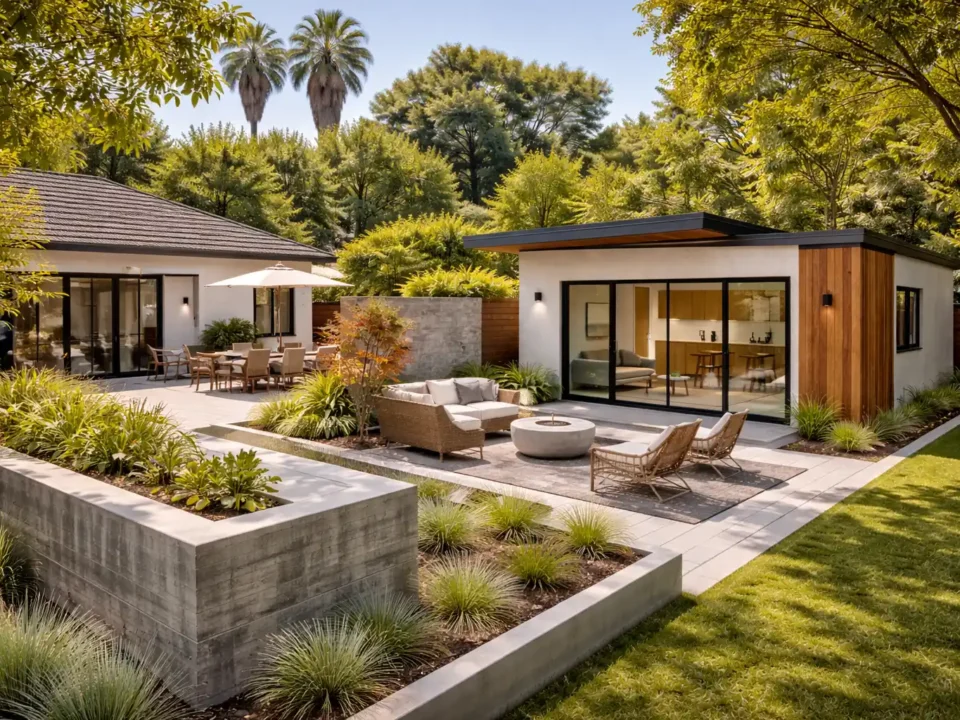
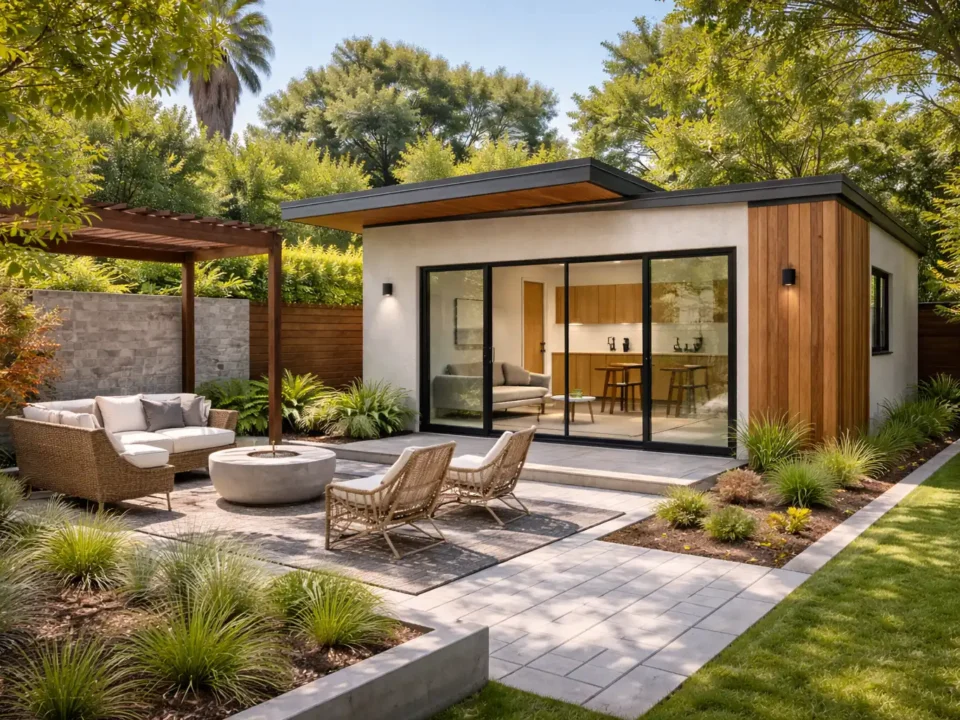
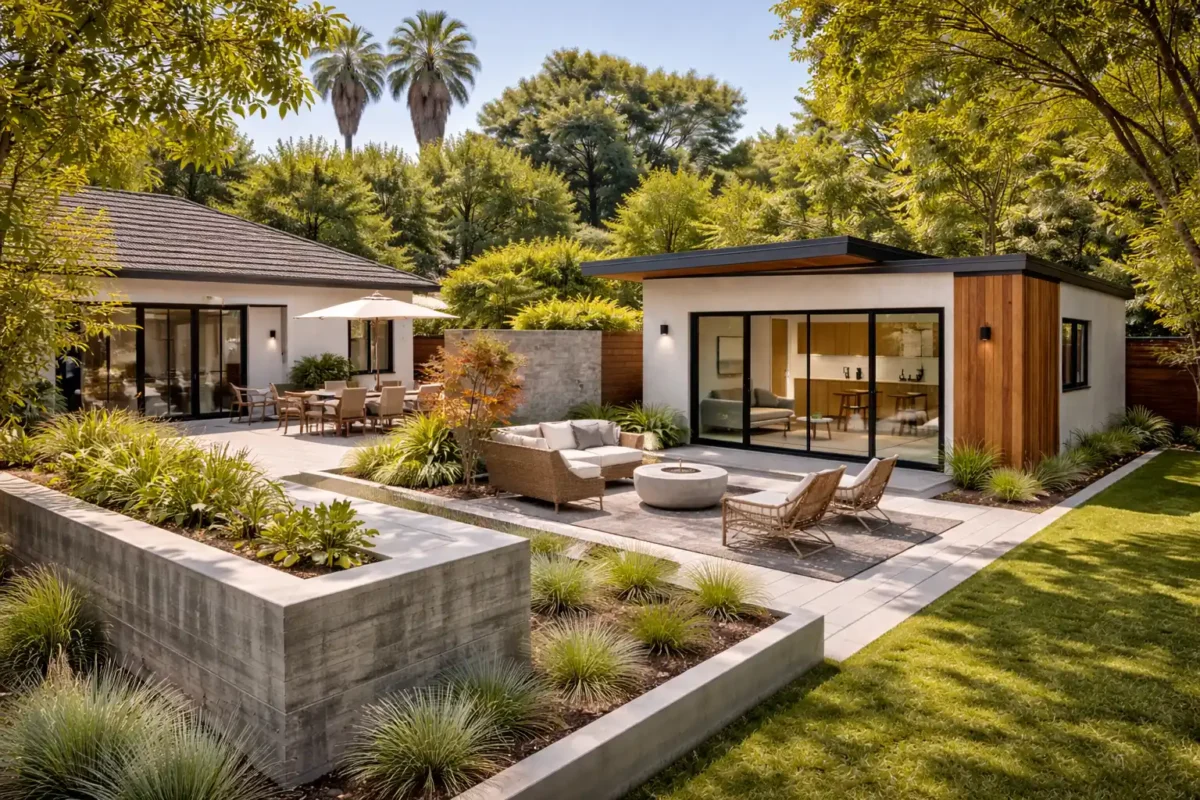
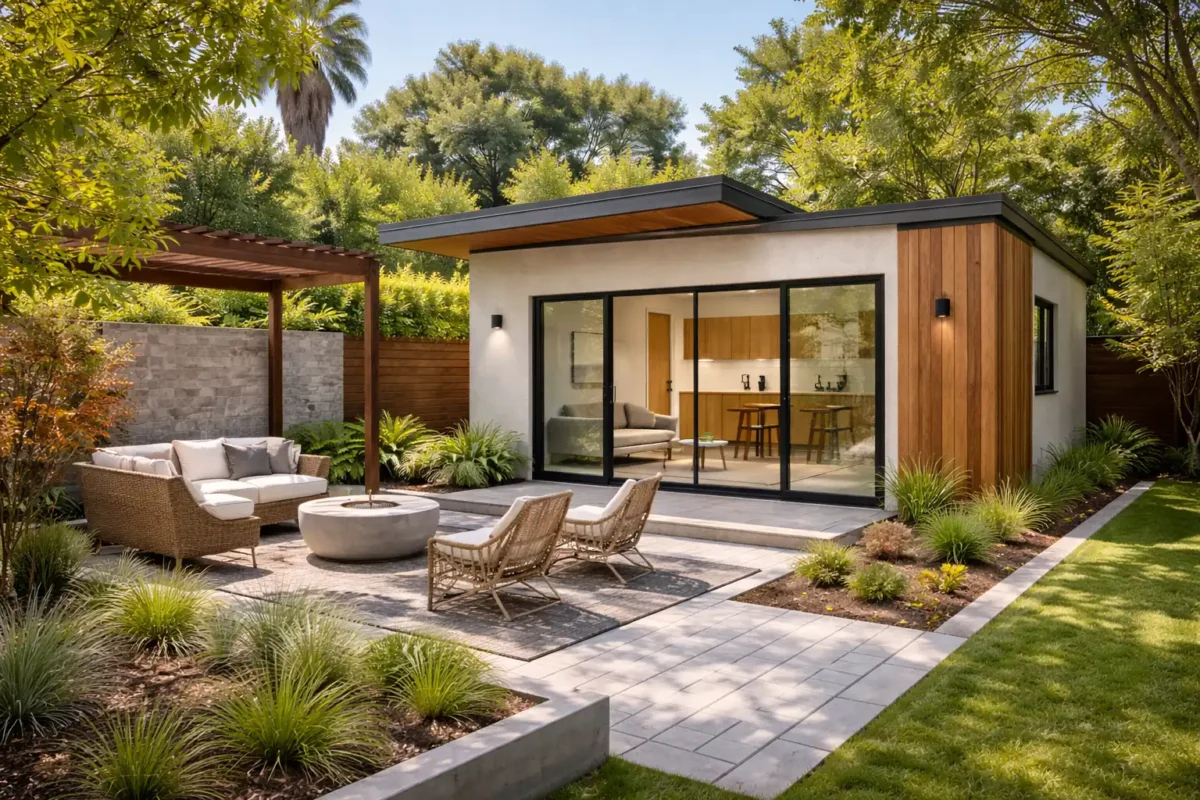
- Outdoor Room: A small patio with shade and soft lighting extends living area and boosts renter appeal.
For aesthetic direction and finishes, see our Portfolio and Latest Project, plus style notes in Top Home Renovation Trends 2025.
Costs, Timeline & Typical Milestones
Every property differs, but conversions usually proceed faster than ground-up ADUs because the footprint and structure are in place. Cost variables include slab corrections, structural reinforcement, service upgrades, and finish level. A typical ZPR project roadmap:
- Feasibility & Concept (2–6 weeks): Site review, preliminary layout, budget ranges.
- Documentation & Permitting (jurisdiction-dependent): Drawings aligned to code intent; submittals and revisions as needed.
- Build (12–20+ weeks): Envelope upgrades, MEP, interiors, millwork, fixtures, and exterior improvements.
- Close-Out & Turnover: Inspections, punch list, and documentation package for records and appraisal.
For budgeting context and ADU economics, review ADU Construction Cost in Los Angeles (2025).
Common Pitfalls (and How ZPR Avoids Them)
- Skipping Moisture Diagnostics: Leads to floor failures and indoor air complaints. We test and design assemblies accordingly.
- Under-Insulating: Raises bills and reduces comfort. We specify assemblies for LA’s climate and code.
- MEP Shortcuts: Undersized systems or ad hoc wiring invite failures. ZPR right-sizes and documents distribution.
- Sound & Privacy Overlooked: Tenants notice. Our acoustic strategies are standard in premium conversions.
- Poor Documentation: Slows permits and weakens appraisals. We produce clean, code-aligned packages.
The ZPR Approach: Clean Execution, Transparent Controls
ZPR manages your conversion from concept to keys-in-hand. We coordinate design professionals, handle submittals, phase trades to inspection milestones, and keep sites clean and courteous. Owners receive clear updates and budget tracking so decisions stay proactive.
- Single Point of Accountability: One team responsible for time, budget, and quality.
- Finish Standards Matrix: Cabinets, counters, tile, lighting, plumbing, and hardware defined early to prevent scope drift.
- Quality Controls: Envelope checks, MEP testing, and final fit-and-finish review.
- Documentation for Appraisal: Permit final, spec sheets, and photo log support value at refinance or sale.
Learn more About Us, explore our Services, or browse completed work in our Portfolio.
Pre-Conversion Checklist (Owner’s Quick Guide)
- Confirm intended use (rental, family, office)—this informs layout and acoustic priorities.
- Verify headroom and egress paths.
- Plan envelope upgrades (moisture, insulation, air sealing) before finishes.
- Decide HVAC strategy (ducted vs. ductless heat pump) and electrical capacity.
- Define finish standards early to lock pricing and lead times.
- Align on privacy, access path, and outdoor room.
Ready to Turn Your Garage into a Guest House?
Start with a feasibility call. We’ll review your property, discuss budget ranges, and map the fastest path to a quiet, comfortable, code-compliant guest house that elevates value.
Contact ZPR Renovation: info@zprrenovation.com · +1 (818) 251-6570 · Contact Form